

Skip to content

Religious Studies: Theology and Ethics

A Level / 2 year Course / OCR

This A Level provides students with the opportunity to study a diverse range of philosophical, ethical and religious viewpoints. Throughout the course, students will develop an understanding and appreciation of the substance behind religious belief and its impact on society, and are introduced to major philosophical and ethical problems.

More On This Course

This A Level has three components:

  • Philosophy of religion (H573/01),
  • Religion and ethics (H573/02) and
  • A choice of a major world religion

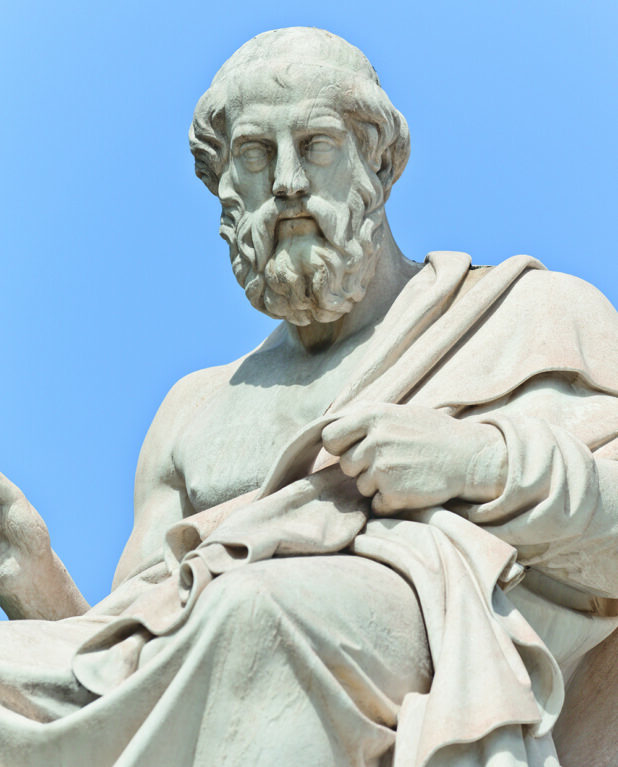
As part of the ethics paper, students will learn a range of approaches including normative ethical theories, application of ethics to contemporary issues, ethical language and thought as well as debates surrounding the significant idea of conscience. The philosophy of religion component surveys ancient philosophical influences, the nature of the soul, mind and body, arguments for the existence of God, the nature and impact of religious experience, challenges to religious belief and issues in religious language. At DSFC, the chosen major religion is Christianity (Developments in Christian thought, H573/03) which is studied in terms of four distinct themes:

  • Religious beliefs, values and teachings.
  • Sources of wisdom and authority.
  • Religious practices.
  • Significant social and historical developments in Christian theology.

Teaching and Learning Methods

The aim of this course is to encourage students to reflect on, select and apply specified knowledge of religion and philosophical thought. Students will develop skills which will allow them to interpret and critically evaluate religious concepts and construct well-informed and reasoned ethical arguments for a range of controversial issues which society faces in the modern world. Students are encouraged to build and share their own opinions, which also prepares them for the examination questions.

Assessment

A Level Religious Studies is assessed through three separate written examinations, each lasting two hours. Each paper will contain four essay questions, with the learner choosing three out of the four to answer. The exams are designed to evaluate students’ ability to engage critically with various religious, philosophical, and ethical topics, and they consist of essay-based questions assessing different aspects of students’ learning:

  • AO1 knowledge and understanding.
  • AO2 analysis and evaluation.

Consequently, the focus is on the ability to successfully analyse and evaluate topics from the specification.

Skills and Careers Insight

A Level Religious Studies: Theology and Ethics provides you with critical thinking, analytical, and reflective skills, as you explore key theological concepts, ethical dilemmas, and the impact of religion on society. You'll study various religious beliefs, moral philosophies, and ethical frameworks, while learning to debate and form well-supported arguments on complex issues. These skills are valued by universities and have led students to be accepted to study a very wide range of subjects such as law, social work, education, journalism, international relations, and public policy. Whether you want to become a religious studies teacher, ethical consultant, or work in social justice or interfaith dialogue, A Level Religious Studies offers a strong foundation for a career that involves problem-solving, communication, and an understanding of diverse perspectives.

Labour Market Information

Subject Combination

An A Level in Religious Studies enables students to develop a range of broad transferable skills and so will be beneficial to a variety of academic pathways. The subject works well with humanities subjects such as English, Sociology, and Psychology, but many other varied combinations have been made in the past.

Student Testimonials

What do our students think about studying here?

I think the best thing about Durham Sixth Form Centre is the fact that it’s a mature environment and it gives you the independence you need.

Sam Henig

Previous school - Wellfield School

I think Durham Sixth Form Centre is a perfect choice because the lessons are well planned and there is a brilliant balance between independent learning and support from all teachers.

Hannah Warwick

Previous school - Hermitage Academy

When I was in Year 11, the biggest worry for me was the transitional period between Year 11 and Year 12. But the support and the teachers made this so much smoother for me moving from my secondary school to Durham Sixth Form Centre.

Jenni Fairish

Previous school - Whitworth Park Academy

The atmosphere and quality of teaching at Durham Sixth Form Centre is very impressive and you can see a great deal of passion from the educators, which is something I believe is very important.

Logan Aitchinson

Previous school - Park View School

Even if you start Durham Sixth Form Centre with no idea where you’re going, you will get the opportunities to talk about your future and go through it and you’ll know what you’re doing later on.

Alice Robson

Previous school - Belmont School

Durham Sixth Form Centre stood out to me for its amazing choice of subjects. I struggled to find anywhere else that would accommodate all my subjects and my specific combination.

Abbie Clifford

Previous school - Hermitage Academy

Copyright © 2026 Durham Sixth Form